Top Benefits of Professional eWaste Disposal: What You Should to Understand
The disposal of electronic waste is a vital issue in today's digital age. Expert e-waste disposal services not only safeguard the environment but also ensure adherence with standards. They address information protection concerns and optimize the removal procedure, which can significantly impact both costs and business image. Grasping the diverse benefits of these solutions is crucial for organizations aiming to handle their e-waste responsibly. What important considerations should businesses evaluate when choosing a disposal service?
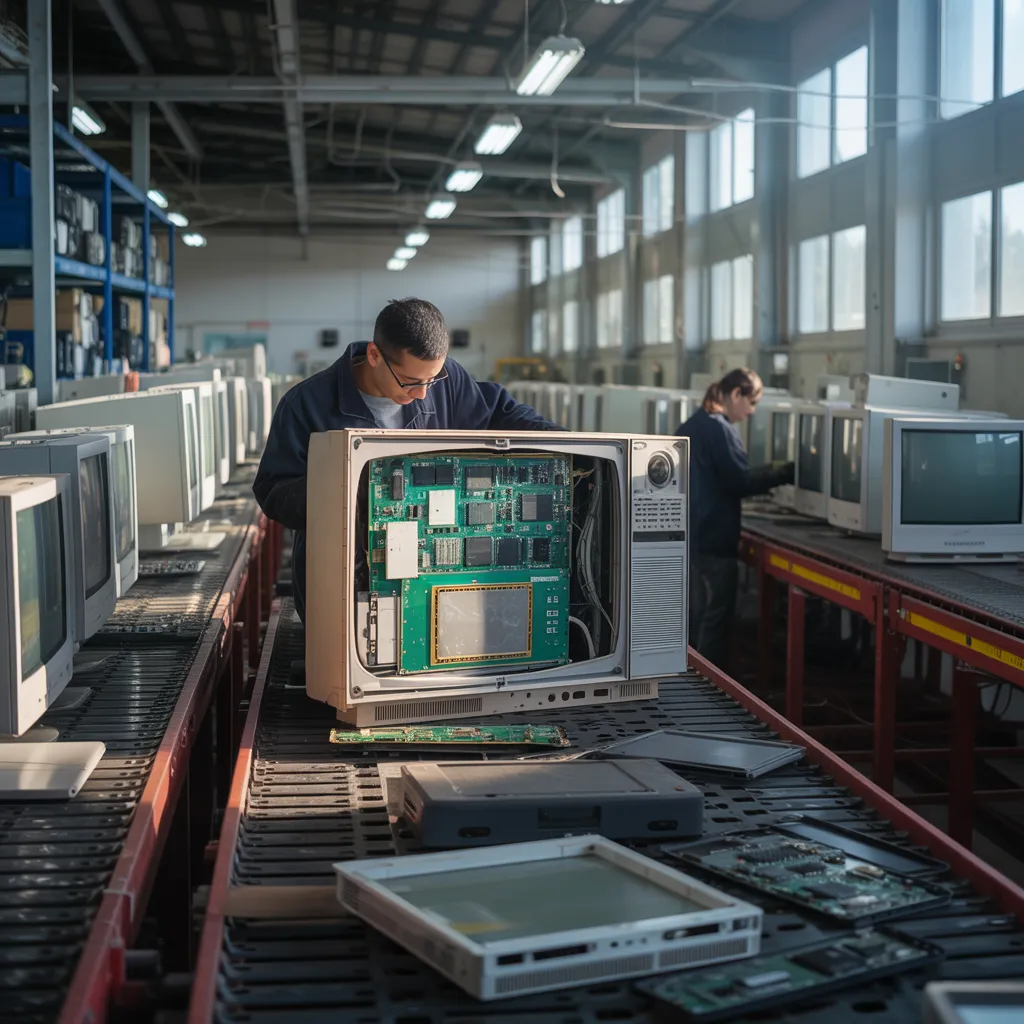
Why E-Waste Elimination Matters for the Environment
Although technology evolves at a quick pace, the ecological impact of electronic waste remains a pressing issue. E-waste, which consists of thrown away electronics like smartphones, computers, and televisions, typically carries toxic materials such as lead, mercury, and cadmium. When inappropriately handled, these elements can infiltrate soil and water sources, establishing considerable health hazards to ecosystems and human populations.
In addition, electronic waste adds to the worsening landfill problem, where valuable resources are lost. Recycling and proper disposal can help lessen these issues by recovering materials such as metal components and plastic materials, lowering the reliance on virgin resources. Expert e-waste disposal services ensure adherence to environmental standards, facilitating responsible management of electronic waste. By placing proper e-waste disposal a priority, individuals and businesses can play a critical role in defending the environment, saving resources, and encouraging a sustainable future. Such practices are key for minimizing the environmental footprint of a technology-driven society.
The Function of Compliance in E-Waste Handling Regulations
Adhering to e-waste disposal regulations is vital in establishing a legal framework that governs the management of e-waste. These requirements not only guarantee that companies adhere to ecological requirements but also reduce the harmful impacts of incorrect handling on ecosystems. Understanding the intersection of regulatory obligations and environmental considerations is necessary for effective e-waste management.
Legal Structure Explanation
The regulatory structure governing e-waste handling is essential for ensuring sustainable operations. Various rules, such as the Resource Conservation and Recovery Act (RCRA) in the United States, establish standards for the treatment and disposal of electronic waste. These laws aim to mitigate safety risks and environmental dangers stemming from improper disposal. Following these regulations not only protects public health but also strengthens accountability among manufacturers and end-users. Moreover, international agreements, like the Basel Convention, stress the necessity for sustainable e-waste management on a worldwide basis. Companies must stay informed about these legal requirements to prevent fines and support sustainable operations. Grasping this framework is critical for any body participating in e-waste handling.
Environmental Impact Concerns
Inadequate disposal of e-waste presents major environmental risks, making compliance with disposal standards a important factor in addressing these hazards. Electronic devices frequently contain toxic substances, including lead and mercury, which can seep into soil and water, harming ecosystems and public health. Following e-waste disposal regulations ensures that hazardous materials are managed safely, reducing the risk of environmental contamination. In addition, compliance enables the reclamation of valuable materials, advancing sustainability and resource conservation. Organizations that emphasize regulatory adherence not only participate in environmental protection but also improve their reputation. As awareness of e-waste issues increases, adherence becomes increasingly necessary for businesses and individuals aiming to minimize their ecological footprint and advocate responsible disposal practices.
How Professional Services Provide Safe Handling of Hazardous Materials
Many organizations deal with the challenge of managing hazardous materials discovered in electronic waste, making professional services necessary for safe disposal. These services are armed with the expertise and resources required to handle toxic substances, such as lead, mercury, and cadmium, which are commonly found in outdated electronics. Professionals follow stringent regulations and guidelines to guarantee compliance with environmental laws, reducing the risk of contamination and harm.
Furthermore, trained professionals utilize specialized tools and techniques to safely take apart and process electronic components. This process reduces exposure to hazardous materials, protecting both workers and the community. Professional services also supply proper documentation, upholding accountability in the disposal chain. By entrusting e-waste disposal to certified experts, organizations can mitigate potential liabilities and advance sustainable practices, fostering a safer environment for all. Consequently, professional e-waste disposal is not only a legal necessity but also a ethical decision for managing hazardous materials.
Data Security: Why Professional E-Waste Disposal Matters
Maintaining data security remains a serious consideration for businesses handling technological debris. Obsolete equipment regularly contain sensitive information, including personal data, exclusive information, and financial records. Inadequate management may lead to information leaks, exposing organizations to compliance risks and image deterioration. Qualified waste handlers utilize approved standards to securely erase data from devices, ensuring that it cannot be recovered.
These services frequently comply with strict compliance regulations, like GDPR and HIPAA, which demand the secure handling of private data. When organizations entrust e-waste disposal assessment to experts, they minimize threats tied to data theft and unauthorized access. Moreover, these professionals provide proof that validates proper data destruction, giving peace of mind to companies concerned about their data security. In an era where cyber threats are pervasive, prioritizing professional e-waste disposal is important for securing sensitive information and keeping trust with clients and stakeholders.
Streamlining Your Electronic Waste Disposal Procedure
Streamlining the e-waste disposal process involves implementing efficient collection methods and straightforward categorization systems. These approaches not only improve workflow productivity but also ensure secure waste management protocols are followed. By refining these steps, companies can significantly decrease their ecological footprint and strengthen compliance with regulations.
Effective Collection Approaches
Efficient gathering techniques play an essential role in optimizing the e-waste disposal process. By using scheduled pickups and dedicated drop-off locations, organizations can markedly reduce the barriers that consumers face when disposing of electronic waste responsibly. Employing specialized collection vehicles along with trained staff guarantees that e-waste is managed safely and securely, reducing the chances of environmental harm. Moreover, teaming up with local businesses and community organizations enhances outreach activities, motivating greater engagement in recycling programs. High-tech tracking systems can also help monitor collection rates and spot trends, promoting ongoing progress in disposal strategies. At last, these efficient methods of collection assist in fostering a sustainable approach to electronic waste management, benefiting the environment and local societies.
Simplified Sorting Processes
Efforts to boost effective gathering approaches naturally establish a need for simplified sorting procedures. Refining the sorting process substantially lowers the time and labor needed for e-waste disposal. By introducing transparent sorting frameworks, organizations can swiftly pinpoint and categorize various types of electronic waste, such as computers, mobile devices, and appliances. This not only expedites the disposal process but also curtails the risk of cross-contamination among different materials. Additionally, simplified sorting eases the workload on workers, allowing them to focus on compliance and safety measures. Ultimately, well-designed categorization systems ensure that e-waste is treated responsibly, setting the stage for suitable recovery and management, while also advancing overall environmental sustainability.
Protected Recycling Techniques
Implementing safe recycling methods is crucial for proper e-waste disposal. Professionals in the field focus on techniques that reduce ecological damage and maintain compliance with regulations. This includes the proper segregation of items, such as metals, plastics, and hazardous components, to facilitate streamlined recycling. By employing certified recycling facilities, e-waste is processed with the greatest care, reducing the risk of harmful chemicals contaminating the environment. Additionally, safe practices promote the recovery of valuable materials, contributing to a closed-loop economy. Organizations that adopt these practices not only protect the environment but also enhance their reputation as responsible corporate citizens. Ultimately, adopting safe recycling practices optimizes the e-waste disposal process, ensuring sustainability and compliance with legal standards.
Economic Benefits of Professional E-Waste Management
Many companies find that expert electronic waste removal can significantly lower extended expenses linked to managing obsolete electronics. By delegating e-waste management, organizations minimize expenses connected with storage, handling, and potential fines for improper disposal. Professional services often encompass collection, transportation, and recycling, streamlining the process and reducing labor costs.
Additionally, certified e-waste disposal providers assure compliance with environmental regulations, supporting enterprises avoid significant penalties that stem from non-compliance. This preventive approach not only prevents financial setbacks but also improves the company's reputation as an environmentally responsible organization.
In addition, numerous e-waste disposal services present data destruction options, maintaining proprietary data and negating the exposure to data breaches that could generate costly legal liabilities. Ultimately, investing in quality e-waste disposal services achieves significant monetary gains, promoting the need of instituting a thoughtful strategy to e-waste control.
Selecting a trustworthy E-Waste Removal Service?
How can companies ensure they select a trustworthy e-waste management service? First, they should confirm certifications and compliance with local regulations, ensuring the service conforms to ecological standards. A credible provider will have certifications such as R2 or e-Stewards, which indicate ethical waste management practices.
Next, companies should investigate the provider's background and history. Customer feedback and reviews can provide insight into the reliability and quality of service. Additionally, a reputable company will offer clear pricing structures and distinctly detail their waste management procedures.
It is also vital to ask about data security measures. A trustworthy service should guarantee the secure destruction of sensitive information on devices. Finally, businesses may gain advantages by selecting a service that provides additional services, such as equipment reclamation or refurbishment, enhancing overall value. By taking these steps, businesses can confidently select a dependable e-waste disposal partner that matches their sustainability goals.
Frequently Inquired Questions
Which Kinds of Electronic Equipment Can Be Disposed of Professionally?
Professionally handled electronics include computers, monitors, televisions, printers, smartphones, tablets, and other devices containing circuit boards or batteries. Proper discarding ensures hazardous materials are handled safely, advancing environmental responsibility and compliance with regulations.
What Schedule Should Businesses Discard E-Waste?
Companies should discard e-waste once per year minimum, or more often based on their volume of obsolete electronics. Frequent removal helps reduce ecological impact and ensures compliance with regulations regarding hazardous materials.
Do tax breaks apply for electronic waste disposal?
Tax benefits for e-waste recycling are available in various forms, including credits and deductions. These incentives encourage businesses to responsibly recycle, reducing environmental impact while possibly lowering their tax liabilities through involvement in authorized recycling initiatives.
Can Non-profit Organizations Gain Advantages From E-Waste Recycling Services?
Non-profit organizations can certainly benefit from e-waste disposal services. These programs often furnish affordable solutions, champion environmental responsibility, and may catalyze fundraising prospects through connections, advancing their community outreach and sustainability work.
How is E-Waste Handled Post Professional Disposal?
During professional disposal, e-waste is normally broken into components, with recyclable materials separated. Hazardous substances are safely controlled, while workable parts are refurbished or repurposed, safeguarding environmental safety and advancing resource conservation in a environmentally conscious way.