Elevate Effectiveness: Exceptional Data Center Operational Management Services for Exceptional Performance
Streamlining performance in data centers is necessary for organizations striving to boost performance. Top Data Center Infrastructure Management (DCIM) services present essential capabilities for instant monitoring and analytics. Solutions from ServiceNow, Sunbird, Schneider Electric, and Nlyte demonstrate excellence in this environment. These services not only oversee resources but also streamline resource deployment. Understanding how to identify the right DCIM solution can deliver significant improvements. What elements should organizations assess to make an sound decision?
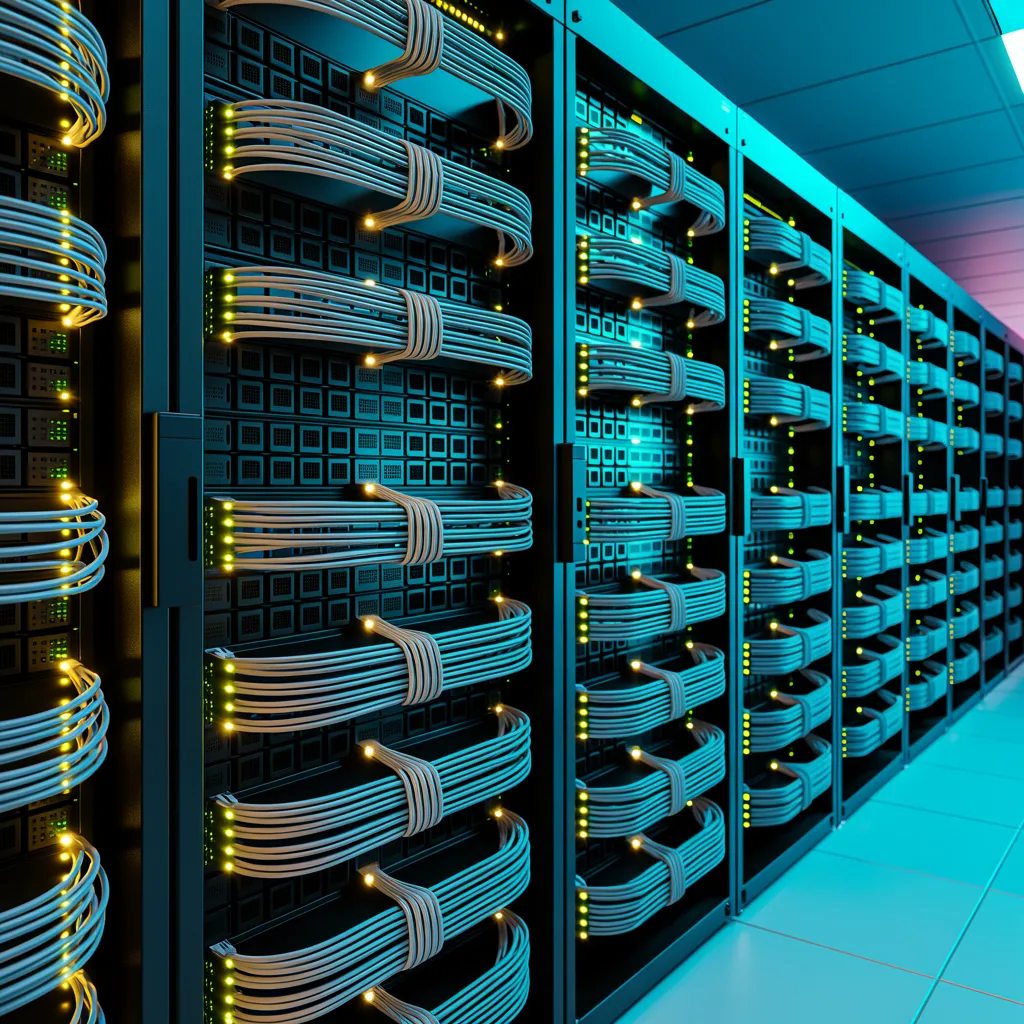
Premium DCIM Services for 2023
As organizations increasingly rely on data centers to facilitate their operations, determining the best Data Center Infrastructure Management (DCIM) solutions for 2023 becomes vital. Leading DCIM services offer thorough solutions intended to enhance resource management, boost operational efficiency, and guarantee robust monitoring capabilities. Notable players in the market include ServiceNow, known for its integration capabilities, and Sunbird, which specializes in real-time visualization and reporting. Additionally, Schneider Electric provides a powerful platform for energy management and asset tracking.
Another important competitor, Nlyte, specializes in improving data center efficiency through sophisticated analytics. These solutions not only enable improved strategic choices but also help in predicting future needs. As data demands continue to increase, selecting a DCIM service that provides scalability and adaptability is critical. Ultimately, organizations must evaluate their specific needs to choose the most appropriate DCIM service, guaranteeing peak performance and reliability in their data administration strategies.
Understanding server facility Infrastructure Management (DCIM)
Data Center Infrastructure Management (DCIM) covers a collection of instruments and practices created to oversee, control, and enhance data center assets. By combining IT and infrastructure oversight, DCIM provides comprehensive visibility into the performance and utilization of essential systems. This method facilitates immediate information gathering, allowing operators to make informed decisions regarding energy consumption, temperature management effectiveness, and area allocation.
DCIM offerings commonly deliver capabilities like asset tracking, capacity planning, and environmental monitoring, which collectively bolster productivity. They furnish data center managers to identify bottlenecks, enhance procedures, and reduce overhead expenses. In addition, DCIM supports tactical planning for future expansions and enables entities to meet regulatory standards. By deploying effective DCIM strategies, data centers can secure superior stability, enhanced eco-friendliness, and heightened overall performance, ultimately contributing to improved customer service in a rapidly evolving digital landscape.
Essential Characteristics for Selecting Effective DCIM Services
Selecting effective Data Center Infrastructure Management (DCIM) services necessitates careful assessment of vital features that enhance performance and resource management. Key characteristics feature immediate monitoring tools, delivering instant insight into power usage and environmental conditions. Integration with existing systems is also vital, as seamless interaction fosters a integrated methodology to data management.
Scalability is an important characteristic, allowing organizations to adapt as their infrastructure expands and evolves. Sophisticated analysis tools can provide predictive insights, supporting active planning and reducing downtime. Intuitive dashboards improve accessibility for multiple users, while robust security measures protect sensitive data.
Ultimately, customization options assure that DCIM services can be customized to meet specific organizational needs. By emphasizing these key capabilities, enterprises can select DCIM services that not only optimize performance but also contribute to long-term sustainability and organizational achievement.
Identifying the Most Appropriate DCIM Solution Designed for Your Needs?
In what way can an business establish the best DCIM solution suited to its unique needs? The selection process starts off with a thorough examination of active infrastructure and procedural requirements. Organizations should define targeted goals, such as boosting uptime, enhancing resource consumption, or perfecting capacity planning. Additionally, evaluating scalable capacity is necessary; a solution must evolve to future growth and technological advancements.
Following that, businesses must examine compatibility features. The ideal DCIM solution should function smoothly with existing tools and platforms. Ease of use also holds importance; intuitive interfaces boost user adoption and operational effectiveness.
Additionally, enterprises should examine vendor support and community engagement, as ongoing assistance and resources can be important. Finally, undertaking a return on investment analysis ensures that the selected solution corresponds with budget constraints while offering the anticipated value. By implementing these steps, organizations can confidently select a DCIM solution that meets their specific demands and enhances total effectiveness.
Applying DCIM Applications to Increase Power Optimization
Deploying DCIM tools can greatly improve energy efficiency within data centers. Through providing extensive insights into power consumption and thermal dynamics, these tools enable operators to uncover inefficiencies and refine resource allocation. With up-to-the-minute data on energy usage, data center managers can take informed decisions about equipment placement and cooling strategies, ensuring that energy is not squandered.
DCIM systems also facilitate automation in monitoring and managing power loads, allowing for dynamic adjustments based on current demand. This responsiveness can lead to significant reductions in energy costs. In addition, advanced analytics within DCIM tools can highlight areas for further improvement, advancing proactive measures rather than reactive fixes.
Weaving these tools into daily operations establishes a atmosphere of continuous improvement, ultimately achieving a more sustainable data center ecosystem. The result is not only enhanced efficiency but also a smaller ecological impact, syncing with overarching sustainability aims.
Continuous Oversight : The Critical Infrastructure of DCIM Achievement
Real-time tracking represents a fundamental element in the success of Data Center Infrastructure Management (DCIM). By presenting boosted performance metrics, it makes possible anticipatory anomaly detection and streamlining of resource utilization. This characteristic conclusively supports greater operational efficiency and robustness within data centers.
Optimized Performance Metrics
Evaluating data center operational output represents a necessity for maximizing efficiency and guaranteeing stability. Enhanced operational indicators present key intelligence regarding diverse operational components, encompassing electrical energy efficiency, cooling system performance, and resource management. Through employing real-time monitoring, organizations can evaluate their system resilience and responsiveness, permitting strategic choices. Operational benchmarks including system accessibility, transmission speed, and processing throughput prove valuable in recognizing shifts and forecasting resource needs. Concurrently, such measures build team responsibility, directing strategic initiatives and fiscal priorities. Systematic assessment of performance data supports industry benchmarking against established performance criteria and supports a framework promoting ongoing development. Fundamentally, advanced performance metrics act as a vital pillar for strong infrastructure management, generating operational excellence and business advantage.
Proactive Problem Discovery
Proactive issue detection plays a crucial role in maintaining the integrity of data center operations. By utilizing real-time monitoring tools, data centers can identify potential problems prior to escalation into severe breakdowns. This approach enables teams to act quickly to irregularities in temperature, energy usage, and system functionality. Continuous observation ensures that any deviations from standard parameters are marked right away, permitting for prompt action. As a consequence, the overall dependability of the infrastructure is improved, minimizing downtime and maintaining service excellence. Moreover, proactive detection contributes to informed decision-making regarding service plans and resource allocation, eventually maximizing system performance. Investing in robust monitoring solutions is vital for sustaining optimal functioning in today's complex data environments.
Resource Employment Optimization
Successful administration of a data center's resources depends on the capacity to perpetually monitor and evaluate operational metrics. Real-time monitoring serves as the basis for optimizing resource utilization, enabling data center managers to identify inefficiencies and allocate assets effectively. By utilizing advanced DCIM tools, organizations can collect essential information on power consumption, cooling efficiency, and workload distribution. This data permits for more informed decision making, ensuring that resources are utilized to their fullest potential. Additionally, real-time analytics facilitate immediate reactions to changing demands, reducing waste and boosting overall performance. Ultimately, effective resource utilization optimization not only enhances operational efficiency but also supports sustainability goals, making it a vital component of modern data center management strategies.
Upcoming Patterns in Data Center Infrastructure Management
As server facilities evolve to satisfy growing requirements for efficiency and performance, emerging trends in Data Center Infrastructure Management (DCIM) are transforming the landscape. One significant development is the integration of AI (AI) and ML, which enhances forecasting for resource allocation and power optimization. These technologies allow live tracking and automated responses to emerging problems, significantly decreasing downtime.
Moreover, the uptake of edge computing practical advice is driving a shift in DCIM strategies, as organizations seek to execute data closer to its source for superior speed and efficiency. This requires state-of-the-art management tools to maintain performance across decentralized environments.
Sustainability remains at the leading edge, focusing on reducing carbon footprints and optimizing how resources are consumed. Lastly, the growth of hybrid cloud solutions needs more sophisticated DCIM systems capable of seamlessly handling both on-premises and cloud resources, guaranteeing the highest operational efficiency.
Popular Queries That Are Asked
How Can I connect DCIM With Current Data Center Systems?
To integrate DCIM with existing data center systems, one should inspect current infrastructure, establish compatibility, implement APIs for data exchange, and complete thorough testing to confirm seamless operation and improved management capabilities across platforms.
What Is the Typical Cost of Deploying DCIM Solutions?
The average cost of implementing DCIM solutions typically ranges between $20,000 and $150,000, depending on the size of the data center, the complexity of the infrastructure, and the particular capabilities required for ideal management.
Do certain regulatory guidelines apply for DCIM Services?
Yes, there are specific compliance standards for DCIM services, including ISO 27001 for data protection, PCI DSS for payment card industry standards, and multiple environmental guidelines that direct energy efficiency and sustainability practices within data centers.
Which Schedule Should I Follow for Upgrading My DCIM Software?
DCIM software modifications should take place at least annually, though three-month interval updates are recommended to ensure maximum performance, security improvements, and compliance with advancing requirements. Routine assessments help recognize when updates are required for unique organizational needs.
Can DCIM Platforms Beneficial for Emergency Preparedness Planning?
DCIM tools can greatly aid in emergency preparedness strategy by providing live surveillance, resource oversight, and situation modeling. This guarantees that computing facilities are ready for possible outages, strengthening overall stability and restoration plans.